A screen might be needed for a single evening, a filming block, a pop-up or a temporary home. Whether to hire or buy is not just a question of the sticker price: the timing, transport, storage, setup and end-of-use plan can change the answer. This guide sets out a calm way to compare the two routes, and the questions worth asking before you commit.
Start with how long the television will really be used
For an event lasting a day or a production running for a defined number of weeks, buying can mean paying for an object that has to be moved, stored and eventually sold or discarded once its job is done. Hiring can make the period of use easier to define: the equipment is needed for a particular window, then it goes back. That is especially useful when the screen is a set detail, a temporary presentation display or part of a short-lived installation rather than a permanent fixture.
For daily, continuing use in a home or business, ownership may make more sense over time. The comparison depends on the actual rental quote, purchase price, condition, expected lifespan, accessories, support, delivery and the cost of storing or reselling the item. A short hire is not automatically cheaper than buying, and buying is not automatically better value. Build the comparison around the full job, not only the price tag.
Compare the full cost of each option
Write down every cost that follows from the choice. A purchase comparison may include the television, delivery, suitable stands or mounts, cables, insurance, installation, storage and eventual resale. A rental comparison should make clear what is included in the quoted hire and what is not. Ask whether transport, collection, setup, accessories, technical assistance, VAT or venue-specific requirements are separate items. Do not assume that the word “hire” means an all-in service; the written quotation and terms should say what the supplier is offering.
The time cost matters too. Someone has to find the right model, take delivery, protect it, move it to the location and arrange its return or disposal. On a shoot or event, those jobs can land on a production assistant or organiser who already has a full schedule. If a rental supplier can coordinate agreed delivery and collection, that may simplify the plan, though access, timing and service details still need confirming. Use the same list of costs and responsibilities when comparing quotes, so the options are genuinely like-for-like.
Choose equipment for the purpose, not the label
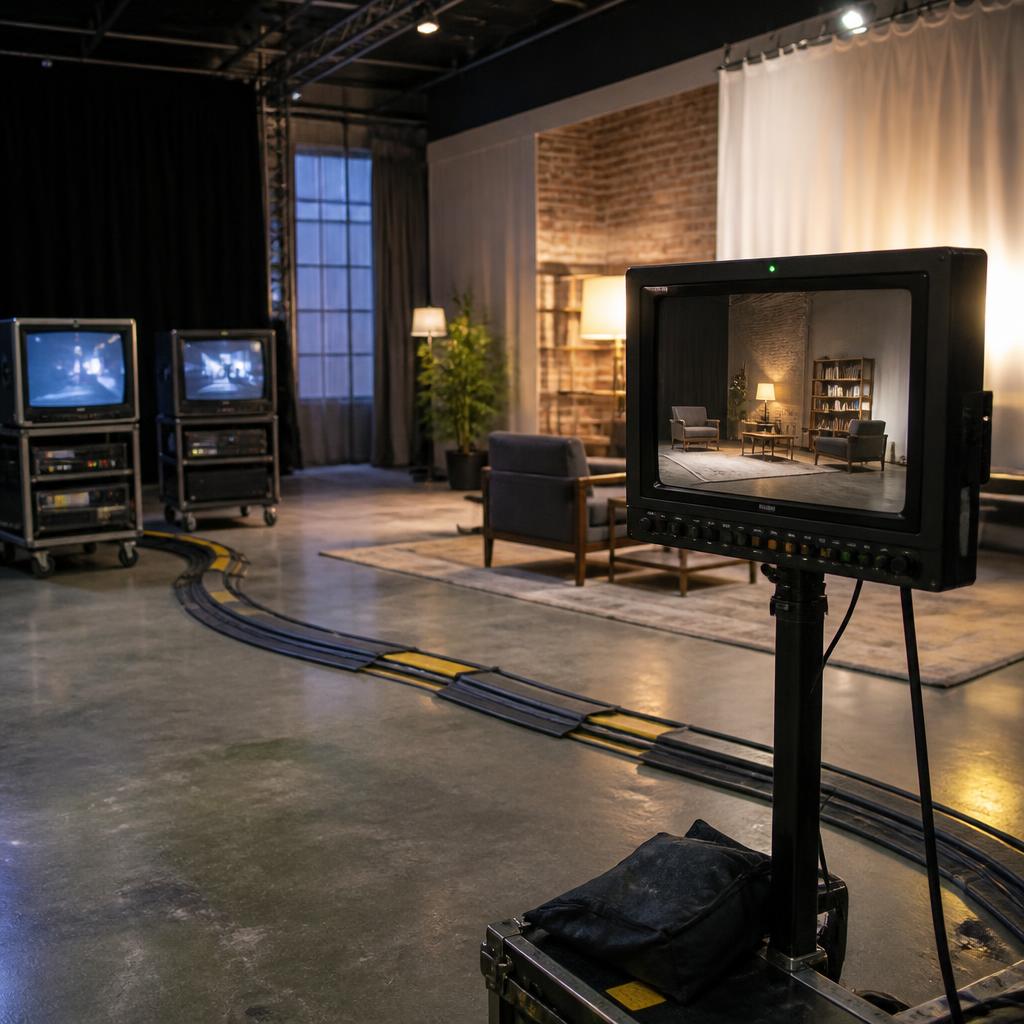
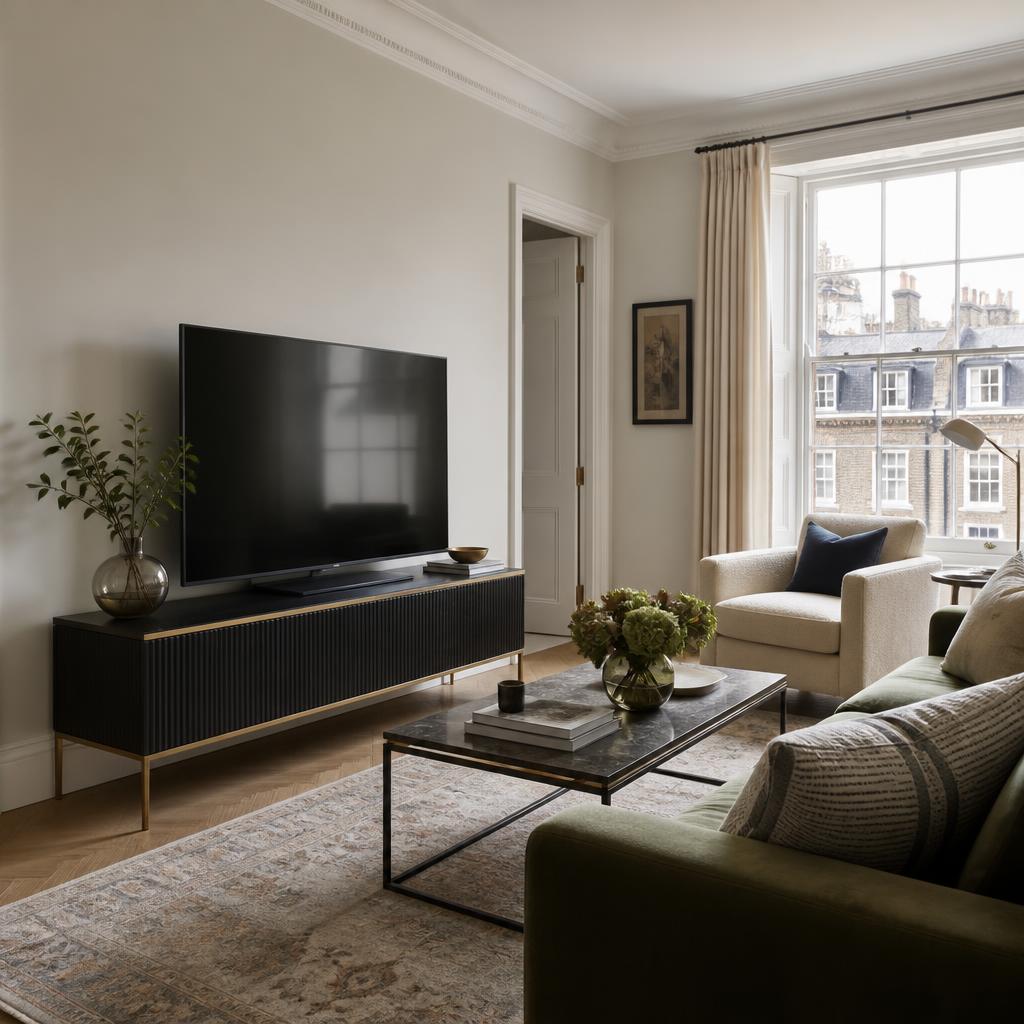
A television selected for a living room may not be the right choice for a period drama, gallery display, backstage monitor or conference room. Decide first whether the screen needs to function as a modern viewing device, appear as a period object, show a particular source, or serve more than one purpose. For set dressing, size, silhouette and surface condition may be as important as the picture. For presentations, the connection, brightness and viewing distance may matter more than a vintage casing.
Make a short list of non-negotiables. How many screens are needed? What aspect ratio or physical dimensions can the space accommodate? Is a signal or image expected on camera? Does content need to change during the hire? Will the equipment be viewed close up or from the back of a room? A TV rental guide can help structure those questions, while the television hire services page describes the broad equipment categories to discuss. Final suitability and availability need to be confirmed for the particular brief.
Think about time beyond the event date
The hire period may need to start before the doors open and end after the last visitor leaves. A production may need a screen for prep, rehearsal, filming, a contingency day and wrap. An exhibition may need delivery, testing, public opening, de-rig and collection windows. If the item is expected on set at 07:00, a delivery slot at 07:00 may be too late to test connections or solve a placement issue. Put the first required use and the practical access window in the enquiry.
Rental periods, extension requests, late returns and cancellations are controlled by the terms agreed with the supplier. Ask how the hire dates are counted, how extensions are requested, and what happens if the schedule shifts. Do not assume the item can simply be kept for extra days at the same rate or that an oral conversation has changed a written booking. A short written record of the agreed dates protects both sides from conflicting expectations when a busy event or production schedule changes.
Delivery, collection and access can decide the plan
Before choosing a screen, check how it will physically get to its final position. Measure doorways, stair turns, lifts, loading bays and the route through the room, rather than measuring only the display wall. Ask whether a delivery vehicle needs a permit, whether loading is restricted, whether the venue has a goods lift, and whether a nominated contact must meet the driver. Large or older televisions can be awkward to handle, and a narrow access route may rule out a model or change the number of people required for safe movement.
Clarify what the delivery service includes. A drop-off to a building entrance is different from placement in a particular room, unpacking, connection or a demonstration. Confirm the return route and collection access at the same time. For locations in London and the surrounding areas, parking, security, timed loading and venue rules may affect the schedule. Describe the site honestly when requesting a quote; a surprise flight of stairs or a no-vehicle zone can disrupt the plan even when the screen itself is suitable.
Ask what is included and what happens if plans change
A useful quotation identifies the equipment, the rental dates, the price basis, delivery and collection arrangements, any included accessories, and any optional services. It should also point to the applicable terms. Ask about deposits, damage responsibility, cancellation, extensions, technical faults, insurance and what to do if the delivery cannot be accepted. The answers help you understand the arrangement before money changes hands. If you are hiring for a company, also confirm who has authority to place the order and which legal entity will be the contracting customer.
If you are a consumer, rights may depend on the nature of the contract and how and where it was made, as well as the applicable law and the specific facts. A commercial hire for a dated event may not be treated the same way as an ordinary purchase. Do not rely on a generic internet summary to decide whether a cancellation term is enforceable. Read the written agreement and use the Competition and Markets Authority’s consumer cancellation guidance for general information; seek independent advice if the amount or dispute is significant.
Consider maintenance, reliability and a back-up plan
A screen that looks right but cannot connect to the intended source may not deliver the result you need. Before confirming, describe the source equipment, connection type, the material to be shown and whether sound is required. Ask who is expected to test it, which cables or adapters are included and when the equipment can be checked. Vintage equipment can have different inputs and operating quirks from current consumer televisions, so explain the technical requirement in plain terms rather than assuming an HDMI port or particular format.
For a high-stakes presentation or shoot, ask what the agreed response is if equipment develops a fault. A supplier may offer replacement, troubleshooting or support under its terms, but do not assume that cover is unlimited or instantaneous. Your own plan might include testing content on the actual source device, carrying a spare cable, allowing time for setup and arranging an alternative playback method. Decide how important the screen is to the production before spending on contingency: a background prop and the principal presentation screen carry different levels of risk.
Make the environmental comparison honestly
Reuse can be a sensible way to avoid buying a new object for a short project, but no single claim makes every rental automatically the more sustainable choice. Transport distance, vehicle journeys, packaging, equipment lifespan, repair practices and how intensively the item is reused all contribute to the overall impact. An item that has to travel a long distance for a very short hire may have a different footprint from one already held near the location. Ask the supplier about practical delivery consolidation or collection planning if that matters to your project.
Buying is not automatically wasteful either: equipment that is used for years, maintained and passed on can be a reasonable choice. The aim is to match the item to actual use, avoid unnecessary specification, plan a return route and keep equipment in service where practical. If a client or production has formal environmental criteria, use those criteria rather than publishing broad, unverified claims. A transparent comparison is more useful than a slogan, particularly when travel and power use are important parts of the project’s environmental reporting.
Do not overlook permissions, content and licensing
The venue, employer, landlord or production may have rules about installations, stands, cable routes and equipment brought on site. Check them before delivery. If a screen will show a film, television programme, live broadcast, game or other protected material to an audience, the rights and permissions for the content are separate from the rental of the hardware. A television hire does not grant permission to use a programme, logo, artwork or music. Ask the rights holder or your production’s legal contact what clearances apply to the intended use.
Television licensing obligations depend on what is watched or recorded and where the viewing happens; renting a television by itself does not settle the question. Check the official licensing guidance for the actual situation rather than assuming a venue’s existing licence covers every room or event. For a private, temporary or commercial site, the organiser should identify who is responsible and document the answer. Equipment, content rights, venue permission and TV licensing are four separate questions, even though they can all affect the same screen.
A short decision checklist
Hiring is worth exploring when the need is temporary, the equipment is specialist or characterful, the storage problem is real, or the project would rather arrange delivery and collection than own the item afterwards. Buying may deserve a closer look when the display is needed continuously, the model is easy to source, storage and maintenance are already handled, and future use is likely. Compare total costs, flexibility, responsibility and the time your team will spend on logistics. There is no universal day-count at which one option overtakes the other.
Before you decide, note the location, intended viewing, required dates, rental length, preferred type and size, input source, access constraints, sound needs and the person authorised to approve the quote. Then request a written breakdown and read the rental terms. If those details are still uncertain, say so: an early conversation can surface the missing information before a purchase is made or a project schedule is locked. For a tailored response, send us your TV rental requirements with what you already know.
The practical answer
A rental is most useful when it removes a genuine ownership problem or provides a type of television that is awkward to buy, store or maintain for a short project. Buying can suit a permanent need and long-term use. The right choice depends on the dates, total costs, screen purpose, access, risk and after-use plan. Treat the quote, terms and venue requirements as part of the equipment decision, not paperwork to read at the end.
Start with the image or task you need, then work backwards to the equipment and logistics. Ask clear questions, keep the agreed details in writing and leave time for delivery and testing. If the project needs a nostalgic CRT wall, a working modern display or a one-off screen in a temporary space, the important first step is the same: describe the use accurately, then confirm availability and terms before committing.
Further reading
For additional background, consult Competition and Markets Authority guidance on cancelling goods and services. External guidance may change; check the source for current information.
This article is general information, not legal, technical or safety advice. Confirm current requirements for your particular site, equipment, contract and intended use.